
Why Your Fingers Hurt When They Start Warming Back Up
Athtec Editorial TeamShare
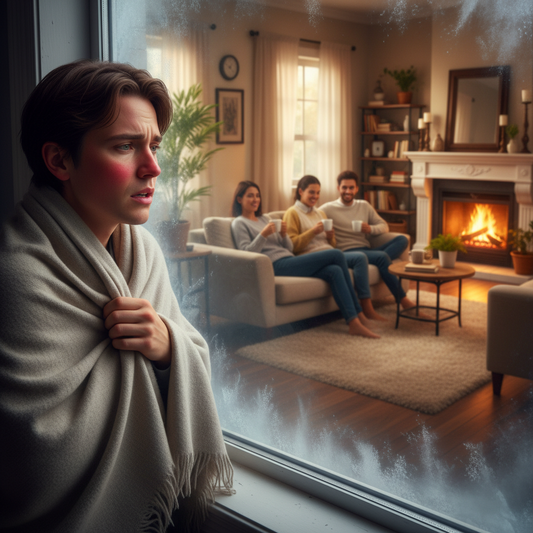
You come inside from the cold, expecting relief.
At first, your fingers feel numb. Then slowly, sensation returns.
But instead of comfort, you feel something else—
tingling… throbbing… sometimes even sharp discomfort.
It can feel confusing.
Why would warming up hurt more than being cold?
In most cases, this isn’t a sign something is wrong.
It’s actually a sign that your body is restoring blood flow and sensation.
What happens to your fingers in the cold
When you’re exposed to cold temperatures, your body shifts into protection mode.
Its priority is simple:
- keep your core warm
- protect vital organs
To do this, it reduces blood flow to areas that are less critical for survival—like your fingers.
This process is called vasoconstriction.
Cause → effect:
- Cold exposure
- Blood vessels narrow
- Less blood reaches your fingers
- Heat is conserved in the core
This is why your fingers:
- feel cold quickly
- become stiff or numb
- lose sensitivity
If you’ve noticed your hands get cold faster than the rest of your body, that’s part of this same protective response.
What changes when your hands start warming up
When you come back into a warmer environment, your body reverses that process.
Blood vessels begin to open back up (vasodilation).
This allows:
- warm blood to return to your fingers
- oxygen and nutrients to flow back in
- normal function to begin restoring
But this change doesn’t happen silently.
Cause → effect:
- Rewarming begins
- Blood vessels expand
- Blood rushes back into previously restricted areas
- Sensation returns quickly
This sudden shift is where the discomfort starts.
Why returning blood flow creates pain and tingling
The key reason warming can hurt is how your nerves respond.
When your fingers are cold:
- nerve activity slows down
- sensation becomes dull or numb
When blood flow returns:
- nerves “reactivate”
- signals become stronger and more noticeable
At the same time:
- blood vessels expand rapidly
- pressure temporarily increases in small tissues
This combination creates:
- tingling (often described as “pins and needles”)
- throbbing or pulsing
- sharp or aching sensations
It’s not damage—it’s sensitivity returning all at once.
That’s why the feeling can seem intense, even though it’s part of recovery.
Why warming up quickly can feel more intense
How fast you warm up matters.
If your hands go from very cold to very warm quickly:
- blood vessels expand more abruptly
- blood flow increases faster
- nerves react more suddenly
This can amplify:
- throbbing
- tingling
- discomfort
For example:
- placing cold hands under hot water
- holding them near a strong heat source
These situations create a sharper contrast, which your body feels more intensely.
This ties into how the body manages temperature and circulation shifts in cold environments.
Why some people feel it more than others
Not everyone experiences rewarming discomfort the same way.
Several factors influence how strong it feels:
Degree of cold exposure
- The colder your fingers get, the more restricted blood flow becomes
- The stronger the rebound when it returns
Duration
- Longer exposure increases the contrast between cold and warm
Individual sensitivity
- Some people naturally have more responsive nerves
- Others have stronger vasoconstriction responses
Circulation patterns
- Subtle differences in blood flow efficiency can affect how quickly and intensely blood returns
This is why one person may feel mild tingling, while another experiences noticeable discomfort.
Some people use solutions that reduce heat loss in extremities during outdoor exposure to minimize how extreme this cycle becomes.
Misconception: “This means something is wrong with my circulation”
Because the sensation can feel intense, it’s easy to assume something is wrong.
But in most everyday situations, this response is:
- normal
- temporary
- part of the body’s adjustment process
The discomfort doesn’t come from damage.
It comes from:
- blood returning
- nerves reactivating
- tissues adjusting to rapid change
In other words:
The pain isn’t a failure—it’s a transition.
Of course, if symptoms are extreme or happen without cold exposure, that’s different—but for typical cold-to-warm situations, this pattern is expected.
Practical takeaway: what this feeling actually tells you
Instead of viewing the sensation as a problem, it helps to understand what it represents.
When your fingers hurt as they warm up, it usually means:
- blood flow is returning
- your body is rebalancing temperature
- nerve function is restoring
The intensity often reflects how big the shift was, not how serious the situation is.
If you notice:
- stronger discomfort after deeper cold exposure
- milder sensations after shorter exposure
that pattern reinforces what’s happening.
Some people also rely on tools designed to help manage cold exposure more gradually to reduce the intensity of that transition when moving between environments.
Conclusion
If your fingers hurt when they start warming back up, it can feel unexpected.
But the reason is straightforward.
In the cold:
- blood flow is reduced
- nerves become less active
When you warm up:
- blood rushes back
- nerves reactivate
- sensation returns quickly
That combination creates the tingling, throbbing, or discomfort you feel.
It’s not the cold causing the pain—it’s the recovery from it.
And once you understand that, the experience becomes a lot less concerning—and a lot more predictable.