
Why Hands and Fingers Get Cold Faster Than the Rest of Your Body?
Athtec Editorial TeamShare
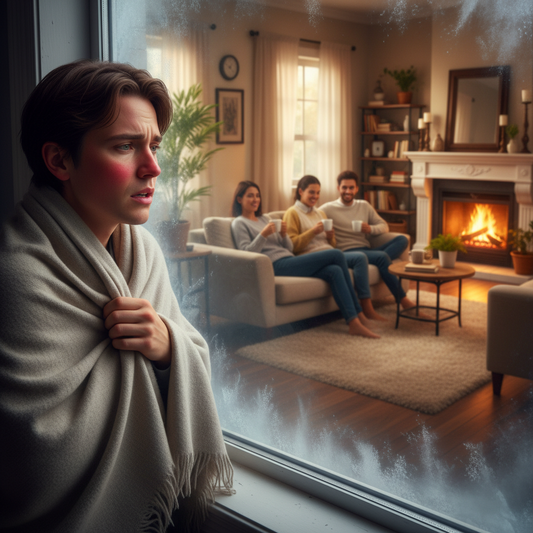
You might be sitting indoors, not particularly cold, when you suddenly notice it: your fingers feel icy. Maybe your hands take forever to warm up, or they’re cold even when the rest of you feels fine. For many people, this happens regularly—in winter, in air-conditioned rooms, while driving, working at a desk, or spending time outdoors.
It’s easy to assume something is “wrong” with your circulation. In reality, this experience is usually a normal, built-in body response, not a malfunction. To understand why, you have to look at how the body manages heat and prioritizes survival.
Your Body Protects the Core Before Anything Else
The most important thing to understand is this: your body does not try to keep every part of you equally warm.
Your brain and vital organs need a stable temperature to function. Hands and fingers do not. When your body senses cold—or even the potential for heat loss—it shifts into conservation mode.
This means:
- Blood flow is prioritized to the chest, abdomen, and head
- Less blood is sent to the hands, fingers, toes, and feet
- Surface tissues cool down first so heat can be preserved internally
From your body’s perspective, cold fingers are an acceptable tradeoff if it helps protect your core.
Vasoconstriction: Why Blood Flow to Fingers Drops Quickly
The main mechanism behind cold hands is vasoconstriction, which simply means blood vessels narrowing.
Small blood vessels in the fingers and hands tighten in response to:
- Cold temperatures
- Sudden temperature changes
- Stress or adrenaline
- Prolonged stillness
When these vessels narrow, warm blood doesn’t reach the skin as easily. As a result, your fingers cool down fast—even if your overall body temperature hasn’t dropped much.
This is why your hands can feel cold before you feel cold elsewhere, and why they’re often the last part of your body to warm back up.
Fingers Lose Heat Faster Because of Surface Area
Hands and fingers are uniquely designed—and that design makes them prone to heat loss.
They have:
- A large surface area relative to their size
- Thin tissue with little insulation
- Many small blood vessels close to the skin
All of this makes fingers excellent for fine motor control, but poor at retaining heat. Heat escapes quickly, especially when blood flow is reduced.
This is also why gripping cold objects, typing, or holding a steering wheel can make fingers feel even colder—contact accelerates heat loss.
Why It Happens Even When You’re “Not That Cold”
A common source of confusion is experiencing cold hands in situations that don’t feel cold overall—like an office, car, or living room.
Temperature isn’t the only trigger. Your body also reacts to:
- Stillness (sitting for long periods reduces muscle-generated warmth)
- Mental stress (stress hormones tighten blood vessels)
- Low-level cold exposure (air conditioning, drafts, cold surfaces)
In these cases, your body is being cautious, not reactive. It slightly reduces blood flow to extremities as a preventive measure.
Some people notice this more than others, especially those who sit still for long stretches or work in temperature-controlled environments. In those situations, people sometimes explore tools designed to help retain warmth in the hands during low-movement activities.
Why Fingers and Toes Are Worse Than Arms or Legs
If your arms feel fine but your fingers are freezing, that’s expected.
Fingers and toes are:
- Farther from the heart
- More exposed to the environment
- Made up of smaller structures that cool quickly
Arms and legs contain larger muscles that generate and retain heat more effectively. Fingers do not have that advantage, so they’re “sacrificed” first when the body decides to conserve warmth.
This prioritization is efficient—even if it’s uncomfortable.
Common Misconception: “Cold Hands Mean Poor Circulation”
One of the most common assumptions is that cold hands automatically mean something is wrong with circulation.
In most healthy people, cold hands are a sign of active circulation control, not failure. Blood is moving exactly where the body wants it to go.
Cold hands become more concerning only when they’re paired with symptoms like:
- Persistent color changes
- Pain or sores
- Loss of function or strength
- Cold sensitivity that is sudden and severe
Without those signs, cold fingers are usually a normal response to environment, posture, or stress.
What Helps Hands Warm Up More Effectively
Understanding the cause makes the experience less frustrating—and more manageable.
Hands warm up faster when:
- The core warms first (layers on the torso matter more than hands alone)
- Blood flow increases through movement
- Stress levels drop
- Exposure to cold surfaces is reduced
That’s why warming your hands directly doesn’t always work right away. Once your body senses that the core is safe, it relaxes vasoconstriction and sends blood back to the fingers.
In colder environments or outdoor settings, some people use solutions that help reduce heat loss from the hands during exposure as a way to support this natural process.
Why Warming Back Up Takes So Long
If your hands stay cold long after you’re warm, it’s because vasoconstriction doesn’t shut off instantly.
Blood vessels reopen gradually. Until they do, fingers may feel stiff, numb, or slow to regain warmth. This delay is normal and reflects how cautiously the body manages heat redistribution.
Gentle movement and warming the core usually speed the process more effectively than focusing on hands alone.
The Takeaway
Cold hands and fingers aren’t random, and they’re usually not a sign that something is wrong. They’re the result of a protective heat-management system designed to keep your vital organs safe.
Your body reduces blood flow to extremities first, especially in response to cold, stillness, or stress. Fingers lose heat quickly because of their structure, surface area, and distance from the core.
Once you understand that this response is intentional—not a flaw—it becomes easier to recognize what’s normal, what makes it worse, and how to work with your body instead of worrying about it.